
 By Kermit Rowe
Encompass Relationship Facilitator This month’s blog theme is “more than words.” So let’s take those three words and put them at the end of the following sentence to “explore the more” of a time-tested relational truth: Communication is more than words. How do we communicate besides talking? Well, we should know because we certainly do it a lot. A Psychology Today article famously reported that only seven percent of our communication happens through words. That means 93 percent of your intended message is left up to tone and non-verbal cues. Other estimated percentages may vary a bit, but one thing is clear: When it comes to communicating in relationships, it’s more than words can say.
0 Comments
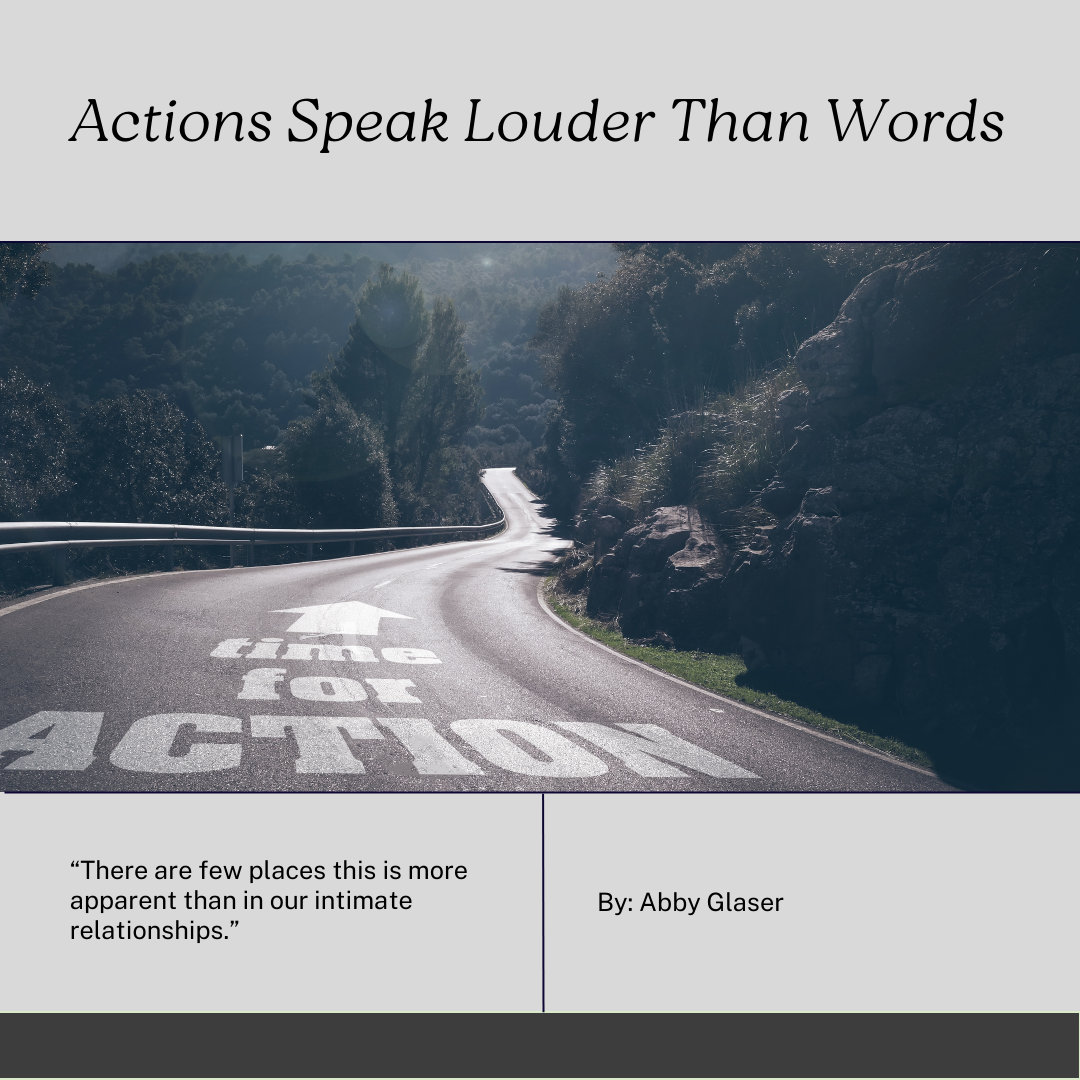 We’ve all heard the saying “actions speak louder than words.”. There are few places that is more apparent than in our intimate relationships. We may be able to talk a good game to acquaintances or on social media, but our closest loved ones are the ones who know whether we live those words out! This is why it’s so important in romantic relationships to not only be saying loving words to our partner but for our actions to back it up. Let’s look at a few practical ways this can happen!
 Our theme for blog posts this month is "more than words." That may sound a bit vague or even ominous, but our writers have been given freedom to develop their relationship reflections that somehow relate any communication beyond words.
By Lavern Nissley Encompass Executive Director I opened our garage door from the inside as Ronda returned from grocery shopping. I was planning to help her unload. A tinge of concern hit me as I noticed her struggling to back into the garage in a straight line. Then her passenger side mirror lightly touched the mirror of our other vehicle parked in the driveway. She stopped, got out, and joked about the awkward position she was leaving the vehicle in. After putting the groceries away together, I thought I'd bring up her backing challenges as this wasn't the first time I had seen her struggling. So, here are the words that came out of my mouth. (You'll need to click the button below to see what they were!)  By: Hollie Kowalski
Encompass Outreach Coordinator “We’re just in a rut, I guess.” We can’t seem to find joy in each other’s presence. We feel tired and frustrated with one another. Hearing this explanation from a friend referring to her marriage made me think back to a time when my husband and I were in a similar place, a “joy gap” in our marriage. Then I started to wonder, how did we get there? How did we get out? How do we keep from getting there again?  By Kermit Rowe
Encompass Relationship Facilitator I’ve pastored for 18 years here in Springfield and ministered to couples as part of the Encompass Connection Center ministry for the past five. I’ve seen and witnessed the best and worst of intentions, passion that is both inspiring and misdirected, and communication that ranged from respectful to downright rude. I’ve seen hundreds of couples come through our doors in my time here, and thousands have come to us for help. And I’ve noticed they fall into three major categories... 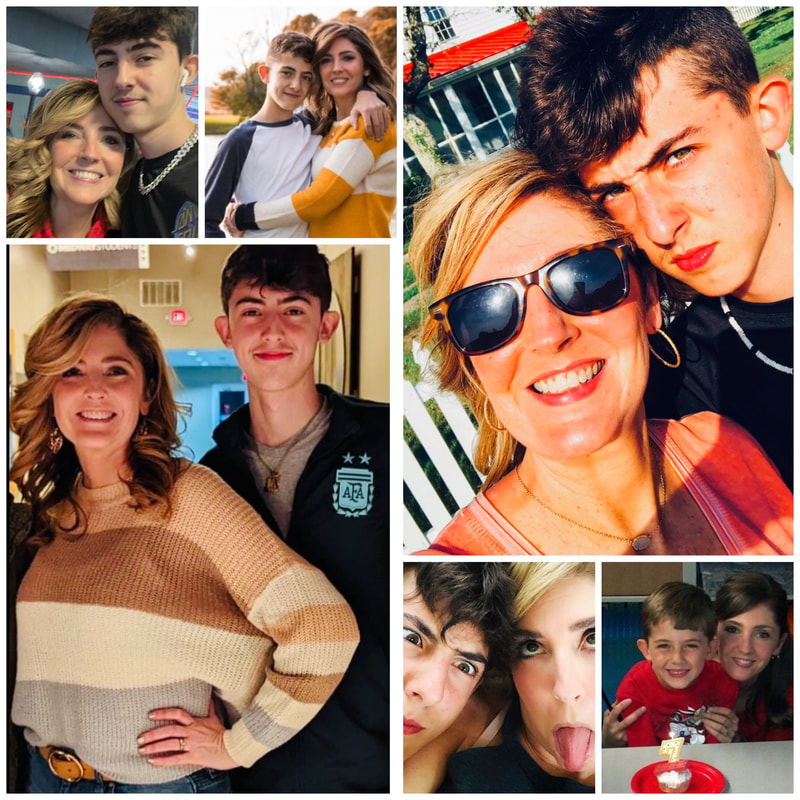 By: Hollie Kowalski
Encompass Outreach Coordinator Oh, how I love this boy. My son Dominik has his mother’s…well, everything. He is the most like me out of my four kids. The poor kid got my need for control, independence, my stubbornness, sensitivity, and poor math skills. But he also got my big heart, my passionate, charismatic personality, my drive, determination, and eyes that tend to see the best in people. The two of us stick together like glue…until we don’t. Due to our passionate and sensitive nature, if we don’t agree on an issue, our home becomes a battleground and unfortunately the innocent bystanders, known as our family, get drawn into battle as well.  By: Cindee Johnson
Encompass Relationship Coach Traffic was flowing smoothly on the fairly crowded Columbus, Ohio, roadway. As we neared a major highway split, the vehicle next to us floored it. Cutting through the area marked with yellow hazard lines, the driver suddenly shifted into our lane barely missing a concrete barrier that could have tragically stopped him. Our Jeep automatically sensed the reckless vehicle and slowed nearly to a stop. My husband Dave looked ahead breathing a sigh of relief that the Jeep offers such great safety features. At the same time, I watched in the passenger side mirror commenting that the Jeep nearly stopping was not safe and we were going to get rear-ended! 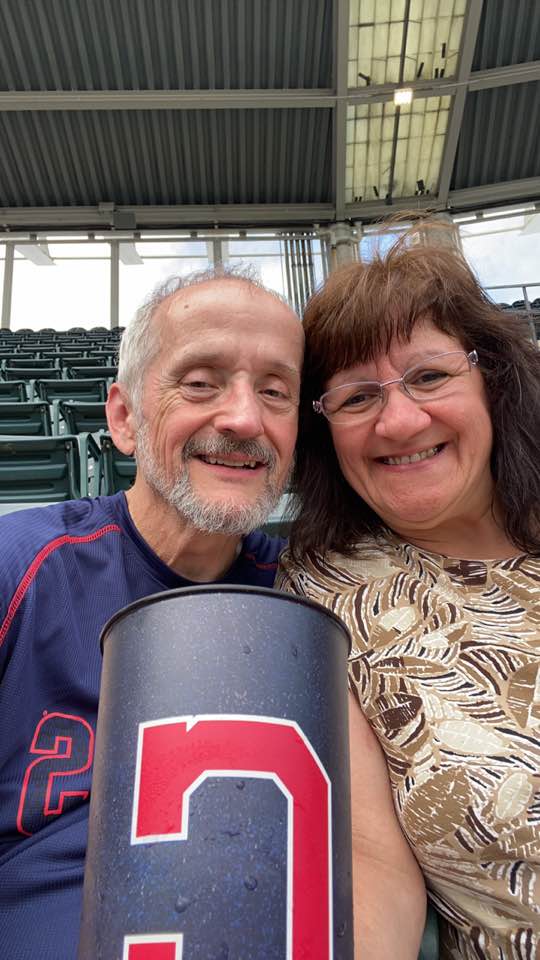 September's theme for our social media and blog posts is devotion/faithfulness. Kermit Rowe, one of our Relationship Facilitators shares about the skills needed for a lasting marriage, that many times are in short supply.
Devotion and faithfulness seem to be in short supply in our culture these days. So, when you see these two qualities alive and well in a lasting marriage, you’ve got to wonder what that couple has that about 50 percent of the couples who enter into holy matrimony don’t. 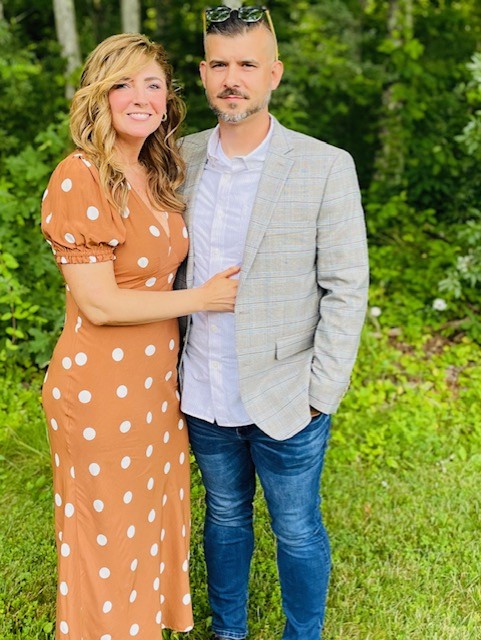 By: Hollie Kowalski
Encompass Outreach Coordinator We spend 70-80% of our day engaged in some form of communication. 55% of that time is generally devoted to listening. The average person who has not worked to develop good listening skills will only remember about half of any recent conversation. 48 hours after the conversation, they are likely to only remember 25% or less… and then there’s me. My “working mom brain” has so many “open tabs” at any given time, I consider it a win if I remember my own children’s names on a daily basis. Because of the “coordinated chaos” in my head sometimes, I tend to “drift” when conversing with my husband-especially in the evening after a long day. We don’t have much time together during the week and I always want him to feel that he is important, that I value his thoughts and emotions. So…  By Kermit Rowe Encompass Relationship Facilitator More than half my life was spent as a sports journalist, a life that is now in the rearview mirror. But I continue to see valuable corollaries between the games of the sports world and the game of life. In my last four years as an Encompass Connection Center relationship coach, the similarities are even more glaring – especially in realm of committed couple relationships. |

HostsDr. David Marine and Theresa Mabry are Co-Directors of Encompass since June 1, 2024. TOPICS
All
Archives
July 2024
|

FIND IT QUICKLY |
STAY CONNECTEDOFFICE HOURSMON 9a-2p
TUE 9a-2p WED 9a-2p THU 9a-2p Other hours by appointment VISIT US616 N. Limestone St. | Springfield, OH
|
Funding is provided by Clark County Job and Family Services, Charles L. Shor Foundation, Nehemiah Foundation, Springfield Foundation, Turner Foundation, and private donations and fees.
Program content is the sole responsibility of Encompass Connection Center and does not necessarily represent the views of the funders.
Encompass Connection Center services are provided to all eligible persons on a non-discriminatory basis. Encompass Connection Center complies with all applicable laws and regulations concerning discrimination does not discriminate on the basis of the potential participant's race, gender, gender orientation, age, disability or religion.
Registered 501(c)(3). EIN: 37-1485217
Program content is the sole responsibility of Encompass Connection Center and does not necessarily represent the views of the funders.
Encompass Connection Center services are provided to all eligible persons on a non-discriminatory basis. Encompass Connection Center complies with all applicable laws and regulations concerning discrimination does not discriminate on the basis of the potential participant's race, gender, gender orientation, age, disability or religion.
Registered 501(c)(3). EIN: 37-1485217