
 By Ronda Nissley
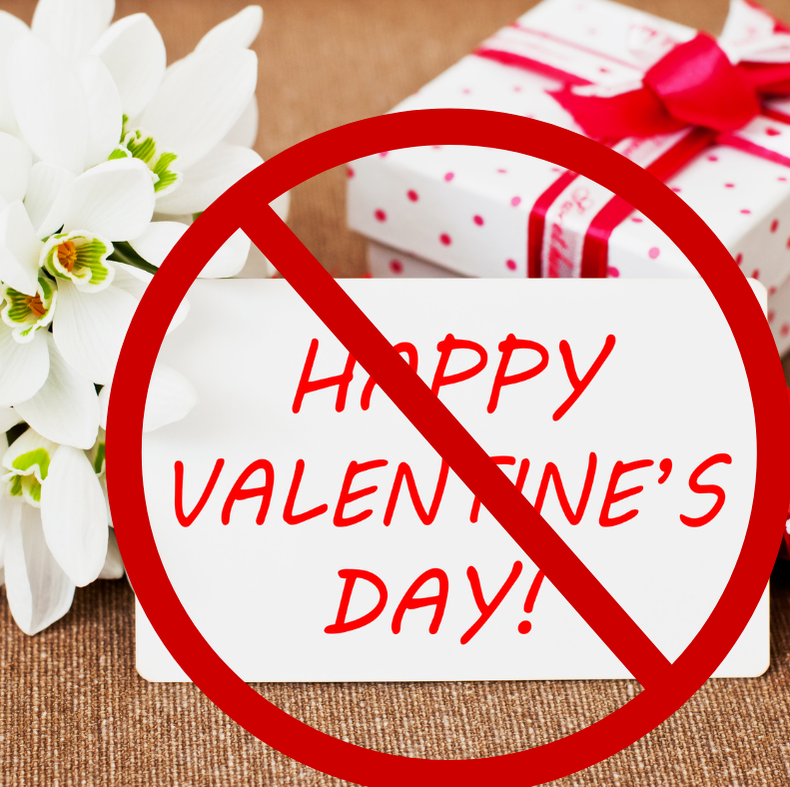
Encompass Co Director Well not really…. But the problem I have with Valentine’s Day is the emphasis on singling out one day a year to celebrate an inferior type of love with gifts, flowers, candy and goofy cards – things that have little to do with Real Love. (Unless your love language is gifts.) In last week’s blog, Lavern highlighted three characteristics of real love as a way to recognize counterfeit love. Real, true love is unconditional, others-centered, patient and kind. In contrast, counterfeit love looks quite different...
0 Comments
 Since February is known as the "month of love", we are focusing on topics related to Real, True Love.
By Lavern Nissley Encompass Executive Director You've likely heard that bank tellers are trained to detect counterfeit currency by handling authentic denominations of money. Then, when counterfeit money comes along, it feels different. The same is true for understanding real, true love. Our culture has many definitions and applications of love that just don't rise to the level of the real thing. Let's look at three characteristics of real, true love.  By: Hollie Kowalski
Encompass Outreach Coordinator “We’re just in a rut, I guess.” We can’t seem to find joy in each other’s presence. We feel tired and frustrated with one another. Hearing this explanation from a friend referring to her marriage made me think back to a time when my husband and I were in a similar place, a “joy gap” in our marriage. Then I started to wonder, how did we get there? How did we get out? How do we keep from getting there again? 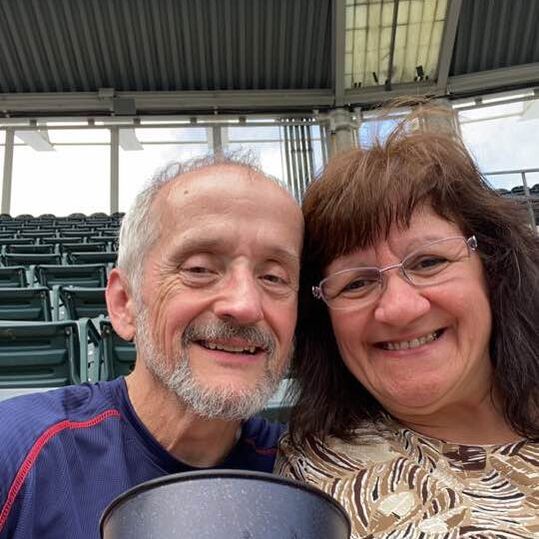 By Kermit Rowe
Encompass Relationship Facilitator I’ve pastored for 18 years here in Springfield and ministered to couples as part of the Encompass Connection Center ministry for the past five. I’ve seen and witnessed the best and worst of intentions, passion that is both inspiring and misdirected, and communication that ranged from respectful to downright rude. I’ve seen hundreds of couples come through our doors in my time here, and thousands have come to us for help. And I’ve noticed they fall into three major categories...  By: Abby Glaser
Encompass Community Advocate This month our theme at Encompass is “start here!” This month is also Human Trafficking Awareness month! Considering that, I’d love to take a few moments to give you some info on human trafficking. I’ve worked with trafficking survivors for over 20 years now and serve on the Miami Valley Human Trafficking Coalition, so this issue is near to my heart. While the topic has gained more attention in the past few years, a lot of information floating around is often false. So, let’s start with a brief understanding of what human trafficking is.  Our blog posts this month are based on the phrase "Start HERE." They will all have relational components, but by the limiting parameter of something with utmost priority.
By Lavern Nissley Encompass Executive Director Ronda and I have found a new recreational/exercise love. If you know us from previous statements made on this topic, you'll recall we love bicycling, hiking, cross country skiing, and playing racquetball. Any guesses on what our new love is? By: Ronda Nissley
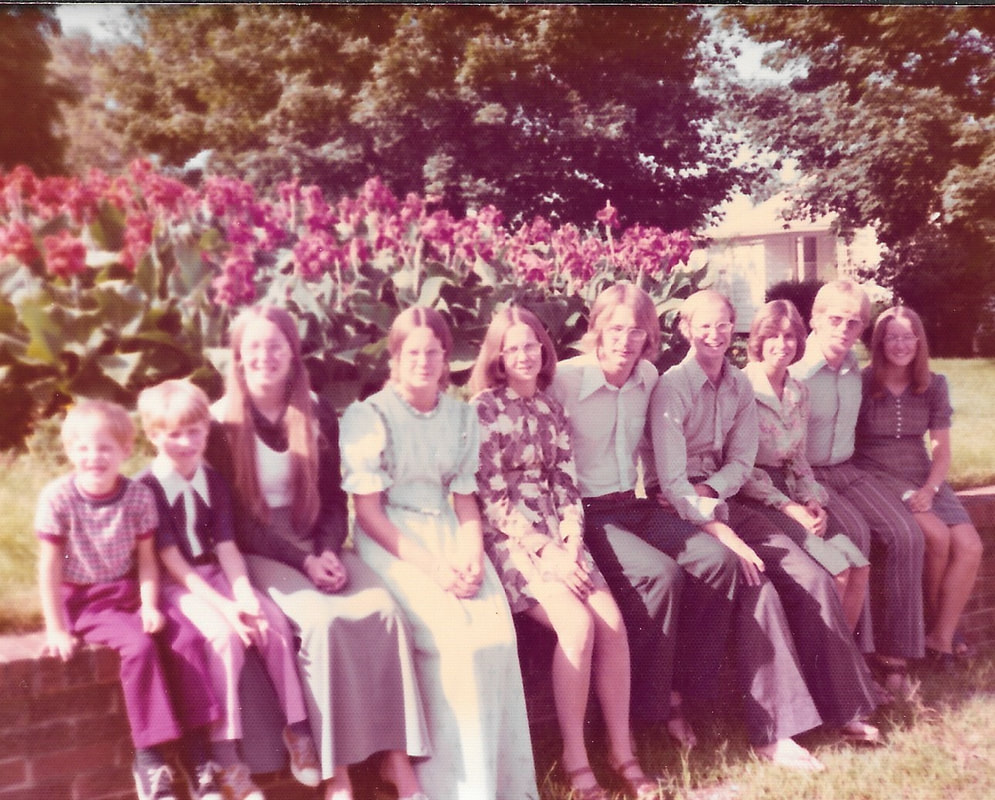
Encompass Co-Director I grew up in the small town of Kalona, Iowa as the seventh of nine children. My mother never worked outside the home and Dad was employed by a variety of small Christian schools and church agencies – earning a modest income even by standards of that day. Looking back, I’m sure our family would have been classified as “poor” by pretty much any economic measure. To my parent’s credit, I never figured that out until I was an adult. Thanks to my mother’s large garden and skills as a seamstress-we were always well fed and clothed. 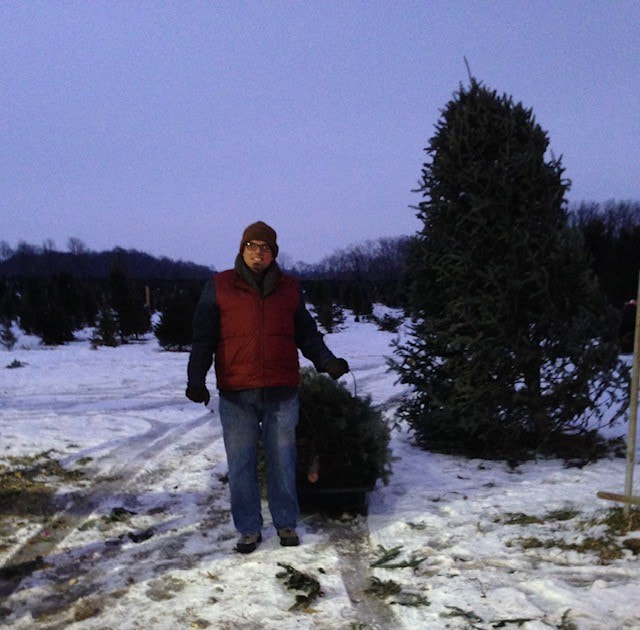 Cindee's husband Dave By: Cindee Johnson
Encompass Relationship Facilitator I love Christmas. I mean, I really LOVE Christmas. The decorating. The lights. The celebrations. The shopping. The traditions. The cooking. The gifts. The tree. It all has its place. Or so I learned. The hard way. Because I had no peace. Only perfection. When Dave and I married 34 years ago, I had this vision of a perfectly packaged Christmas, everything done up just right. And it all began with the Christmas tree. Which had to be fresh cut. As in Dave lying on the cold, snowy or icy or often muddy Ohio ground, cutting down the tree while our children and I held it in place. 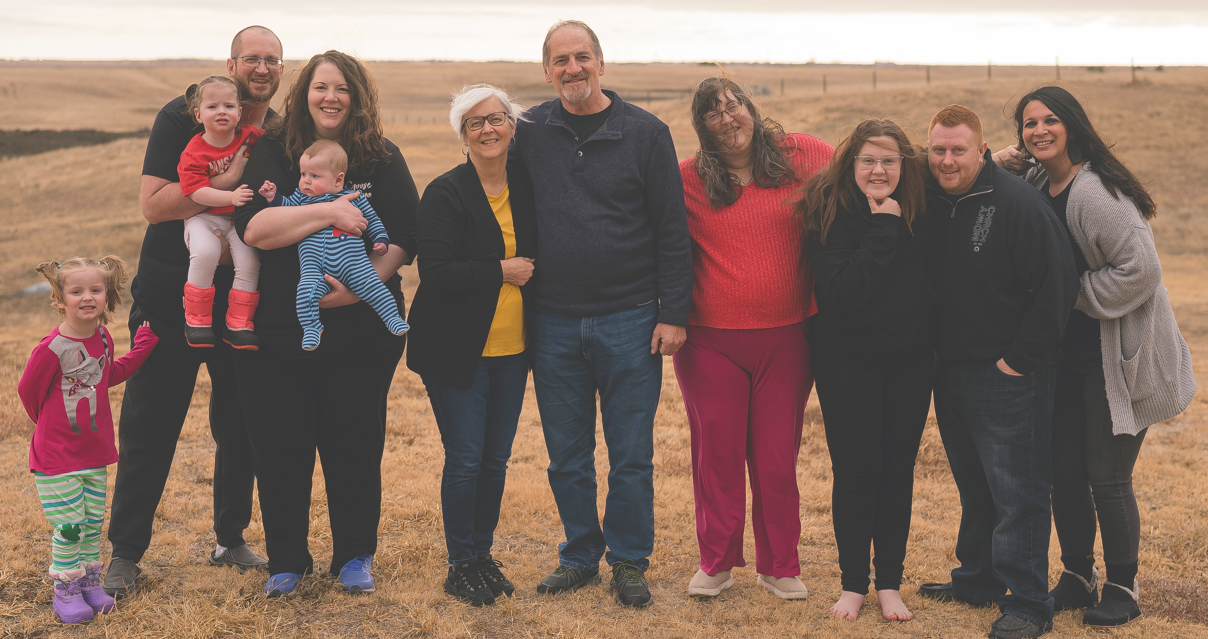 Charlie, Maddie, Josh, Emily, Seb, Ronda, Lavern, Jessica, Ali, Kevin, Kristen Our blog posts theme for December surrounds "special Christmas memories/stories." Certainly, the holiday season has plenty of opportunities to describe as "thriving" or "strifing" in relationships. What memories or stories are uplifting and help family trees to be forever changed?
By Lavern Nissley Encompass Executive Director I was scrolling through my iPhone photos looking for Christmas memory ideas. Wow! So many flooded my heart and mind. But when I condensed them down to several common themes that were fulfilling and significant, it became very clear what we value as a family. My heart is warmed as I reflect on them!  By Kermit Rowe
Encompass Relationship Facilitator To a great degree, we are what we think. The decisions we make and actions we take are dictated to a large degree by the self-talk we have and the thoughts that self-talk generates. So, when we live in a society that does not put a premium on aging, if the elderly believe what society tells them, then they can easily fall into what I call “the downhill mentality.” Our culture is not particularly kind to its aging population, hence the perception that we are “over the hill” once we hit the age of 40. And, like we just said, we are what we think. |
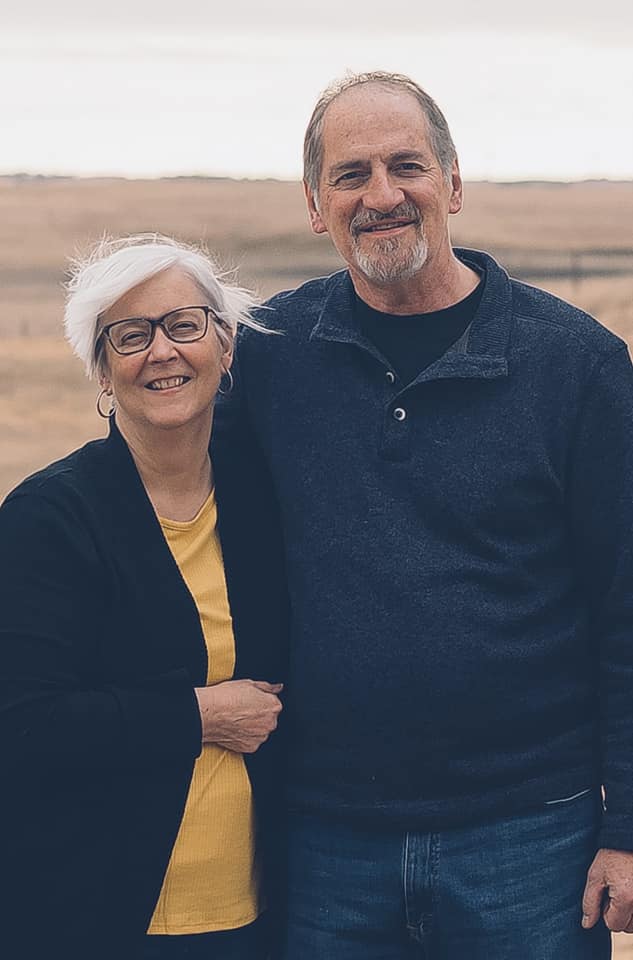
HostsLavern & Ronda Nissley are co-directors of Encompass. Married since 1978, both enjoy coffee, riding their tandem bicycle and working together to build strong relationships. TOPICS
All
Archives
April 2024
|

FIND IT QUICKLY |
STAY CONNECTEDOFFICE HOURSMON 9a-2p
TUE 9a-2p WED 9a-2p THU 9a-2p Other hours by appointment VISIT US616 N. Limestone St. | Springfield, OH
|
Funding is provided by Clark County Job and Family Services, The Turner Foundation, Springfield Foundation, Buckeye Health, private donations and fees.
Program content is the sole responsibility of Encompass Connection Center and does not necessarily represent the views of the funders.
Encompass Connection Center services are provided to all eligible persons on a non-discriminatory basis. Encompass Connection Center complies with all applicable laws and regulations concerning discrimination does not discriminate on the basis of the potential participant's race, gender, gender orientation, age, disability or religion.
Registered 501(c)(3). EIN: 37-1485217
Program content is the sole responsibility of Encompass Connection Center and does not necessarily represent the views of the funders.
Encompass Connection Center services are provided to all eligible persons on a non-discriminatory basis. Encompass Connection Center complies with all applicable laws and regulations concerning discrimination does not discriminate on the basis of the potential participant's race, gender, gender orientation, age, disability or religion.
Registered 501(c)(3). EIN: 37-1485217