
Practical tips and insights for your relationships
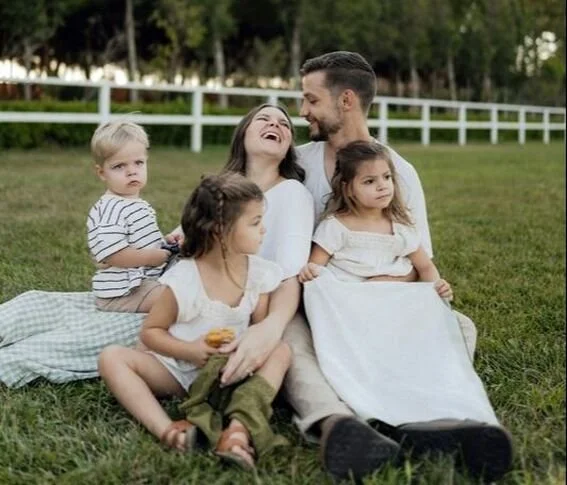
Everlasting Love in the Established Years: Building on the Foundation (Years 14–21)
The early years of marriage are often marked by discovery and formation. As we discussed in the newlywed season, couples are learning how to build rhythms, navigate differences, and practice love in everyday life. As marriage moves into years seven through fourteen, the focus often shifts—but the work remains just as important.
These are busy years. Full years. Often beautiful and exhausting at the same time.
Yet these years hold enormous promise.

Everlasting Love in the Early Years: Building Rhythms That Last
The newlywed years are often filled with joy, hope, and a deep sense of possibility. You’ve said “I do,” begun building a shared life, and stepped into something sacred. Yet for many couples, these early years also bring unexpected challenges. Marriage doesn’t remove pressure—it often reveals it. And that revelation is not a failure; it’s part of formation.
If dating and engagement are about discernment and preparation, the newlywed years are about practice. This is the season where love begins to take shape in everyday rhythms—how you communicate, handle stress, manage expectations, and choose one another when life feels ordinary or overwhelming.

Dating and Engagement: Building a Foundation that Lasts
My husband and I have been married for just about 6 months now, and it’s safe to say that we learned a lot during our seasons of dating and engagement. From the beginning, we were aligned in our desire to date well and with a purpose. In a world that treats dating casually, we wanted to be good stewards of the season the Lord had placed us in and approach it as something sacred, not passive. I believe that our personal faith and intentionality laid a strong foundation for our marriage and pray we will continue to benefit from that for years to come.

3 Essential Biblical Principles for Healthy Relationships
Healthy relationships don’t just magically happen--even at the most wonderful time of the year. Maybe, especially at the most wonderful time of the year. Whether it is marriage, friendship, dating, co-workers, family, or your church community, relationships require intentionality to grow and thrive.
As we move into a new year, many of us set goals. We want to improve our health, our finances, our faith, our careers. But, what about our relationships? Do we pour into those?
Let’s look at three essential biblical principles for healthy relationships with practical ways to live them out.

5 Relationship Skills That Make Teams Thrive
Recently, I made a list of all the employers I've had in my life, not counting seasons of self-employment and consulting. The total number of employers over about 6 decades came to 13, with the very first being corn detasseling at age 14 on a seed corn farm near Goshen, Indiana.
In addition to these 13 jobs, there have also been dozens of volunteer assignments like boards, task forces, teams, etc. All have involved interacting with people, with most of the experiences being positive.
Strong teams aren’t built on talent alone--they’re built on relationships. When people feel connected, respected, and valued, collaboration becomes natural and productivity soars.
Here are five essential relationship skills, plus real-world examples to show how they work in action.

5 Ways to Resolve Conflict Before It Ruins Your Holidays
The holidays have a way of lighting up both the beauty and the rough edges of our relationships. We anticipate the traditions, the good food, the laughter, and the moments with people we love. But we also carry the awareness that the season can stir up tension—old frustrations, unrealistic expectations, or the simple weight of an overloaded schedule.

5 Ways Gratitude Transforms Your Relationships
Probably the greatest danger of taking people or things for granted is that we lose our gratitude for them. Thankfulness is a theme that runs cover to cover through the Bible and is a cornerstone of nearly every moral belief system. Yet gratitude is an attitude that seems to be increasingly losing latitude in our culture.

4 Habits of Couples Who Stay Emotionally Connected
It’s the small things that make a marriage feel alive. A touch on the shoulder, a shared laugh over morning coffee, a quick check-in before bed — these moments may seem ordinary, but they’re what hold couples together over time.

3 Mistakes Parents Make in Conflict — and How to Fix Them
Parenting is hard. Full stop! As a mom of five, I’ve done a lot of things well over the years—and made plenty of mistakes too. One of the hardest areas to navigate is parenting during conflict. Anger, frustration, exhaustion, and a dozen other emotions can bring out the worst in any of us. Let’s look at three common mistakes parents make in conflict—and some practical ways to fix them.

The Epidemic of Disconnection
We are living in what experts are calling an epidemic of disconnection.
Why relationship skills are the new mental health crisis response.

Why marriage education matters for child well-being
A secure marriage doesn’t just make life better for two people; it creates stability, confidence, and hope for the next generation.

Breaking Family Patterns: Turning Generational curses into blessings
“When not recognized and broken, generational curses can destroy marriages and families.”
That statement got my attention—and it has kept my attention ever since.
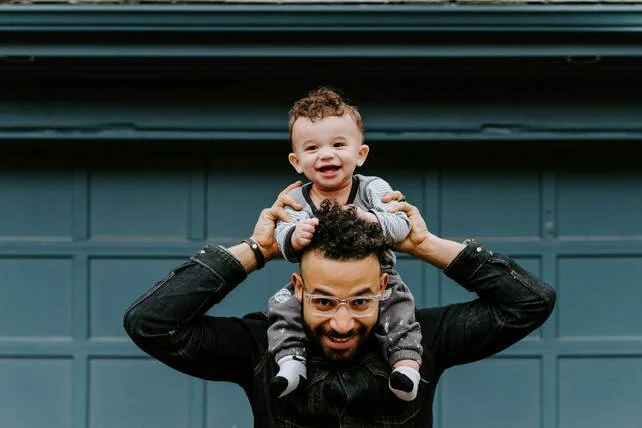
Why responsible fatherhood matters more than ever
When we talk about strengthening families and communities, one concept consistently rises to the top: Responsible Fatherhood. But what does that really mean—and why is it so vital?

Why you should get married and stay married
While it's not the only path to a fulfilling life, there’s something unique about marriage that other types of relationships can’t quite match. If you're wondering whether marriage is worth it or if it's just an old tradition, here’s why you should get married—and stay married.

Teens and Screens
Between 2010 and 2015 the number of teens reporting feelings of uselessness and lack of joy increased 33 percent in large national surveys. Teen suicide attempts increased 23 percent while actual suicides between 13 to 18-year-olds increased 31 percent. A significant trend. What could account for such dramatic increases?

Recognize Feelings, Increase Empathy
Anger. Fear. Sadness. Joy. Excitement. You've felt these emotions. All people do. But not all people know what to do with them. Want to know a master skill in understanding yourself and others?

Listen By “Sharing the Ball”
If you've ever been in the presence of a masterful listener you feel quite different than when someone is preoccupied with talking about themselves. Is there anything we can do to listen better?

Add Positives First
When things are going sideways in a relationship it is easy to focus on negatives, with what's going wrong. Much like gravity, such a focus pulls us downward and decreases our hope for improvement or restoration. Is there a better way to approach relationship challenges?

Turn Toward, Not Away
A six year study with newlyweds showed that those who remained together did this tip 86% of the time; those who divorced only did it 33% of the time. Want to know what it was?